


 0
0
 0
0
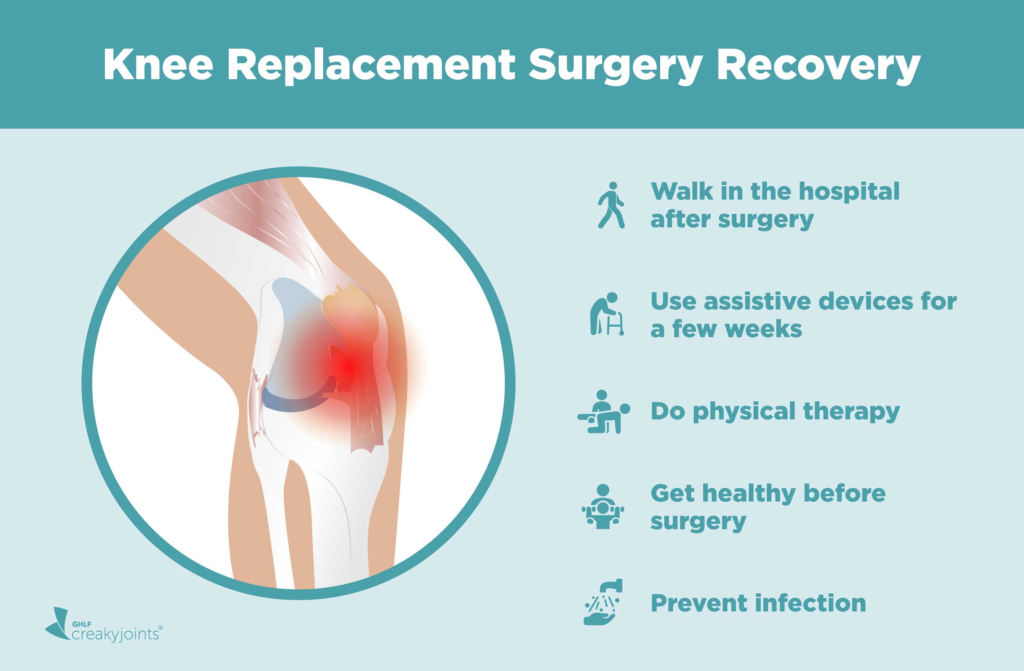
Each year, more than one million Americans undergo total hip or knee replacement surgeries. While surgical techniques have advanced significantly, the procedure itself is only half the battle. Research shows that a successful outcome depends heavily on the quality of post-operative care and patient adherence to rehabilitation programs. Without a strategic approach, patients risk developing scar tissue, muscle atrophy, and long-term joint stiffness. Implementing the right orthopedic recovery interventions is the most reliable way to ensure you regain full function and return to an active lifestyle. At Motion RX Health, our expert therapists focus on a root-cause assessment to guide you through every stage of the healing process.
Main Takeaways for Successful Recovery
1. Early movement is non-negotiable for preventing complications like blood clots and joint freezing.
2. Personalized physical therapy protocols yield better long-term strength than generic exercise sheets.
3. Managing inflammation through advanced technology and nutrition accelerates the body’s natural repair timeline.
4. Consistency in your recovery plan is the leading predictor of returning to pain-free movement.
Personalized Physical Therapy Protocols
Personalized physical therapy is the foundation of any post-orthopedic surgery rehabilitation program. No two bodies heal exactly the same way. A generic set of exercises found online cannot account for your specific surgical approach, your baseline fitness level, or your personal recovery goals. An expert therapist at Motion RX Health designs a personalized plan that evolves as your tissue heals. This ensures that you are neither pushing too hard too soon nor falling behind the standard orthopedic surgery recovery timeline.
Early Mobilization Benefits
Movement within the first 24 hours after surgery is critical. Early mobilization involves simple activities like ankle pumps, sitting up, and walking short distances with assistance. This intervention is designed to stimulate blood flow, which is essential for physical therapy for bone healing. It also helps to prevent the formation of Deep Vein Thrombosis (DVT), a serious condition where blood clots form in the deep veins of the legs. By getting the joint moving early, we reduce the risk of the joint capsule tightening up, which can limit your range of motion later on.
Therapeutic Exercise Progressions
Rehabilitation is a step-by-step process. Initially, the focus is on isometric exercises, where the muscle contracts without moving the joint. This helps maintain muscle activation without putting stress on the new hardware or the surgical site. As healing progresses, your expert therapist will introduce joint replacement rehabilitation exercises that focus on active range of motion and eventually resistance training. Measurable progress is tracked weekly to ensure that your strength and mobility are improving according to the expected milestones.
Manual Therapy and Tissue Health
Manual therapy involves hands-on techniques where the therapist moves the joint or massages the surrounding soft tissue. After surgery, the body creates scar tissue as part of the healing process. While scar tissue is necessary, too much of it can lead to adhesions that make movement painful. Manual therapy helps to break down these adhesions and improve the glide of the muscles and tendons. This hands-on one-on-one care is a hallmark of the Motion RX Health approach, focusing on movement optimization for every patient.
Advanced Cryotherapy and Compression
Managing swelling is a top priority in post-operative orthopedic care. Excessive swelling creates pressure inside the joint, which increases pain and inhibits muscle activation. When a joint is swollen, the brain often sends signals to shut down the surrounding muscles to protect the area. This leads to rapid muscle wasting. Modern recovery tools have evolved beyond the simple ice pack to address this issue more effectively.
Continuous Flow Cold Therapy
Continuous flow cooling units are specialized orthopedic recovery equipment that circulate ice-cold water through a wrap specifically shaped for your joint. Unlike a standard ice pack that warms up quickly, these units maintain a consistent temperature for extended periods. This provides deeper penetration of the cold, which helps to numb the nerves and constrict blood vessels to reduce swelling. It is a highly effective non-opioid pain management tool that allows patients to focus on their exercises with less discomfort.
Intermittent Pneumatic Compression
Compression is just as important as cold therapy. Intermittent pneumatic compression (IPC) devices use air sleeves that inflate and deflate in a rhythmic pattern. This mimics the natural pumping action of the muscles, helping to move fluid away from the surgical site and back into the circulatory system. Reducing edema (swelling) quickly is essential for regaining a normal gait and preventing the feeling of heaviness in the limb during recovery.
Multimodal Pain Management Strategies
Recovering from surgery involves managing discomfort without becoming overly dependent on heavy medications. A multimodal approach uses different types of interventions that work together to block pain signals and promote healing. This performance-driven strategy ensures that you remain comfortable enough to participate fully in your physical therapy sessions, which is where the real progress happens.
Neuromuscular Electrical Stimulation
Neuromuscular Electrical Stimulation (NMES) is a powerful tool used in sports injury rehabilitation protocols. It involves placing electrodes on the skin that send electrical pulses to the muscles. This causes the muscles to contract involuntarily. After surgery, specifically after knee or hip replacements, the quadriceps muscle often “goes to sleep.” NMES helps to re-educate the muscle and prevent atrophy during the early weeks when heavy lifting is not yet allowed. This ensures that when you are ready to walk more, your muscles are strong enough to support you.
Cognitive Recovery and Pacing
Recovery is as much a mental challenge as it is a physical one. Understanding the orthopedic surgery recovery timeline helps to manage expectations. It is common to experience plateaus or minor setbacks. An expert therapist provides the clarity needed to navigate these moments, ensuring that you stay motivated and focused on the long-term goal of an active lifestyle. Learning how to pace your activities prevents the “boom and bust” cycle, where overexerting yourself one day leads to several days of increased pain.
Nutritional and Biological Support
What you eat directly impacts how fast your tissues repair themselves. Surgery is a major stressor on the body, increasing the demand for specific nutrients. Without the right building blocks, physical therapy for bone healing and soft tissue repair will be significantly delayed. At Motion RX Health, we believe in a holistic view of recovery that includes supporting the body’s internal environment.
Protein and Collagen Synthesis
Protein is the most important macronutrient for recovery. The body needs amino acids to repair the muscles that were cut or moved during surgery and to build new collagen for the joint structures. Increasing protein intake during the first six to eight weeks of recovery can help prevent the loss of lean muscle mass. Collagen supplementation, when cleared by a medical professional, can also support the integrity of the connective tissues surrounding the new joint.
Anti-Inflammatory Nutrition
Chronic inflammation can slow down the healing process. An anti-inflammatory diet rich in Omega-3 fatty acids, antioxidants, and vitamins can help manage the body’s inflammatory response. Foods like salmon, walnuts, berries, and leafy greens provide the nutrients needed to reduce oxidative stress. Hydration is equally important, as water is necessary for transporting nutrients to the surgical site and removing cellular waste products generated during the repair process.
Technological Interventions in Recovery
The use of technology has revolutionized how we track and enhance orthopedic recovery interventions. We no longer have to guess how much a patient is moving or how well their joint is functioning. Wearable sensors and remote monitoring tools provide real-time data that can be used to adjust the rehabilitation plan as needed.
Wearable Sensors and Gait Analysis
Modern wearables can track more than just steps. Specialized sensors can measure the angle of your joint during movement and the symmetry of your gait. This data allows your expert therapist to see if you are favoring one side or if your range of motion is lagging. Correcting these issues early prevents the development of compensatory movements that could lead to pain in other areas, such as the lower back or the opposite hip.
Telehealth and Digital Exercise Programs
Compliance is often the biggest hurdle in recovery. Telehealth physical therapy sessions allow for regular check-ins even when you cannot make it to the clinic. Digital exercise programs with video demonstrations ensure that you are performing your home exercises with the correct form. This level of support ensures measurable progress and keeps you on track for a full recovery, regardless of your schedule.
Lifestyle and Environmental Safety
The environment you recover in plays a massive role in your safety and success. Simple changes to your daily habits and home setup can prevent accidents that might compromise the surgical site. A proactive approach to lifestyle management ensures that your hard work in physical therapy isn’t undone by a preventable fall.
Home Modifications and Safety
Before surgery, it is helpful to prepare your living space. This includes removing loose rugs, installing grab bars in the bathroom, and ensuring you have a firm chair with armrests. Using assistive devices like walkers or canes as directed by your expert therapist is not a sign of weakness; it is a necessary intervention to ensure joint stability during the early phases of post-operative orthopedic care.
The Impact of Sleep and Smoking
Sleep is when the body does the majority of its repair work. Optimizing your sleep environment and following positioning guidelines provided by your surgeon will facilitate faster healing. Conversely, smoking is one of the most detrimental habits for orthopedic recovery. Nicotine constricts blood vessels and reduces the delivery of oxygen and nutrients to the healing bone and tissue. Quitting smoking, even temporarily during the recovery period, significantly improves the chances of a successful surgical outcome.
The Logic of Progressive Loading
The science of movement logic suggests that tissues must be stressed to grow stronger, but that stress must be applied at the right time and in the right dose. This is known as progressive loading. In the early stages of recovery, the goal is protection and gentle movement. As the biological healing of the bone and soft tissue reaches specific milestones, the load must increase. If the load is too low, the muscles will not strengthen. If the load is too high, the surgical site may become irritated. An expert therapist at Motion RX Health understands this delicate balance, using a root-cause assessment to determine exactly when you are ready for the next level of challenge. This ensures that every exercise has a specific purpose in returning you to peak performance.
| Intervention | Primary Focus | Timing | Goal | Long-term Impact |
| Physical Therapy | Mobility & Strength | Day 1 – 6 Months | Restore Function | Pain-Free Movement |
| Cryotherapy | Inflammation | Weeks 1 – 4 | Pain Control | Faster Tissue Repair |
| NMES | Muscle Activation | Weeks 1 – 8 | Prevent Atrophy | Strength Retention |
| Nutrition | Internal Healing | Pre-op – Ongoing | Tissue Synthesis | Structural Integrity |
| Gait Training | Movement Pattern | Weeks 2 – 12 | Walking Balance | Joint Longevity |
Recap of Recovery Insights
The journey from surgery to full activity is defined by the quality of your interventions. By combining personalized physical therapy with advanced technology, proper nutrition, and a safe home environment, you create the best possible conditions for healing. Remember that surgery is the catalyst, but the work you do afterward is what truly restores your quality of life. Consistent, evidence-based care is the key to regaining your strength and mobility.
FAQs About orthopedic recovery interventions
How long does the acute phase of orthopedic recovery typically last?
The acute phase usually lasts from the day of surgery up to two weeks. During this time, the primary focus is on wound healing, reducing swelling, and initiating very basic movements to prevent stiffness. Most patients transition out of the acute phase once their surgical pain is managed and they can perform basic daily tasks with minimal assistance.
Can I recover from joint surgery without professional physical therapy?
While some people attempt to recover on their own, professional physical therapy is highly recommended. An expert therapist can identify small movement errors that you might not notice. These errors can lead to long-term issues like chronic pain or decreased range of motion. Professional guidance ensures you are meeting the milestones of the orthopedic surgery recovery timeline safely and efficiently.
What are the red flags to watch for during post-op recovery?
You should contact your medical team immediately if you experience a sudden increase in calf pain, chest pain, shortness of breath, or if the surgical site becomes excessively red, hot, or starts draining fluid. These can be signs of a blood clot or infection. High fever or a sudden loss of the ability to move the joint are also critical red flags.
When can I return to high-impact sports or activities?
Returning to high-impact sports like running or tennis usually occurs between 4 to 6 months post-surgery, depending on the joint involved and your progress. This decision is based on measurable progress in strength and stability tests. Following sports injury rehabilitation protocols ensures that your body is truly ready for the demands of your sport, reducing the risk of re-injury.
Take the Next Step in Your Recovery
Are you ready to move from post-op pain to performance-driven results? Don’t leave your recovery to chance. Schedule your personalized physical therapy session with Motion RX Health today and let our expert therapists create a roadmap for your return to an active, pain-free lifestyle.


