


 0
0
 0
0
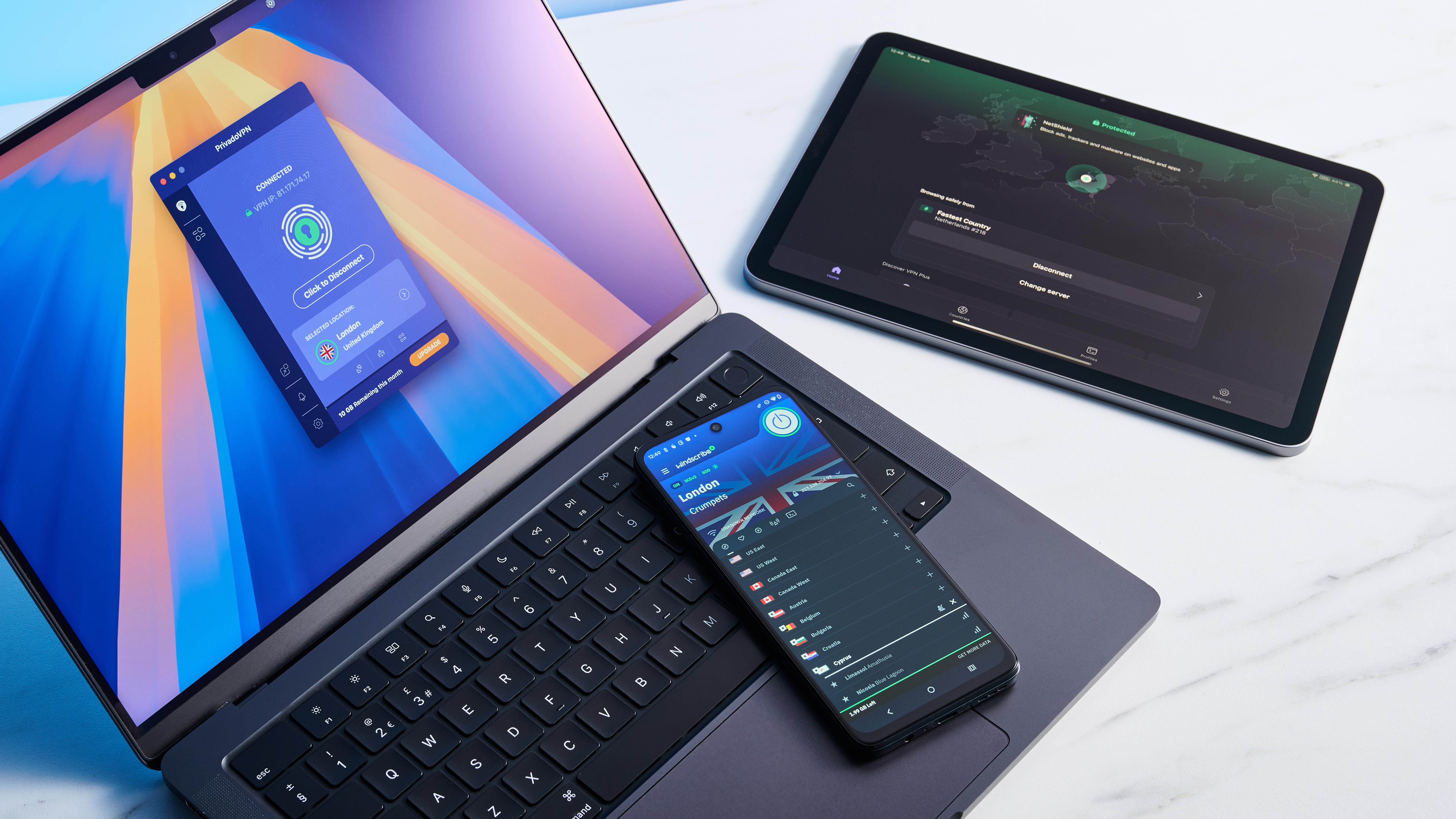
Typing “free VPN” into an app store search bar pulls up dozens of results, most promising unlimited privacy at no cost whatsoever. The reality is considerably more mixed, with quality varying enormously from one app to the next. Finding the best free vpn for your specific needs means knowing exactly what separates a genuinely useful free option from one that’s quietly working against your interests.
Why Most Free VPN Apps Deserve Skepticism
The free VPN market includes a wide range of quality, from reputable companies offering a genuinely limited free tier of an otherwise paid service, to obscure apps with unclear ownership and vague privacy policies that raise serious red flags. Some free apps have been caught in independent research actually logging and selling user browsing data, the very activity a VPN is supposed to protect against in the first place. This makes due diligence considerably more important when shopping for a free option than when choosing among established paid providers.
What Separates a Trustworthy Free Tier From a Risky One
The most reliable free VPN options tend to come from established paid providers offering a genuinely limited free version, rather than standalone apps built around a free-only model. These limited free tiers usually come with clear restrictions, like a data cap or limited server selection, but maintain the same underlying privacy and security infrastructure as the company’s paid plans, since they’re built on the same business model and reputation the company has invested years building.
Checking Ownership and Company Transparency
Before downloading any free VPN, it’s worth taking a moment to research who actually owns and operates the app. Reputable providers are upfront about their company information, headquarters location, and business model. Apps with no clear ownership information, generic or recently registered company websites, or an absence of any verifiable privacy policy warrant real caution, regardless of how polished the app itself might look.
Understanding the Realistic Limitations You’ll Face
Even the best free VPN options come with meaningful trade-offs compared to paid alternatives. Expect data caps that limit how much you can use the service each month, a smaller selection of server locations that can result in slower speeds during busy periods, and often a cap on how many devices you can protect simultaneously. Going in with realistic expectations about these limitations helps avoid frustration when a free tier doesn’t perform like an unrestricted paid subscription.
What to Look for in the Privacy Policy
A worthwhile free VPN should clearly state what data it does and doesn’t collect, ideally with language specific enough to be meaningful rather than vague legal boilerplate. Look specifically for clear statements about whether browsing activity, connection timestamps, and IP addresses are logged, and be wary of policies that reserve broad rights to share data with unspecified “partners” without further explanation.
Testing Performance Before Relying on It
Once you’ve identified a reasonably trustworthy free option, it’s worth testing actual performance for your specific use case before depending on it for anything important. Check connection speeds at different times of day, confirm whether the kill switch feature works as expected if one is included, and verify that the app doesn’t request unusual device permissions unrelated to its core VPN function.
When It Might Be Time to Upgrade
Many people start with a free VPN to test the experience before deciding whether ongoing protection is worth a subscription. If you find yourself regularly hitting data caps, frustrated by slow speeds, or needing more device connections than a free tier allows, that’s usually a reliable signal that a paid plan would deliver meaningfully better value for how you actually use the service.
Why Mobile Free VPN Apps Deserve Extra Scrutiny
Free VPN apps on mobile app stores warrant particular caution, since app store approval processes don’t always verify the actual data practices behind an app, only that it functions as described and meets basic technical guidelines. Several independent research studies analyzing popular free mobile VPN apps have found a meaningful percentage requesting unusual device permissions unrelated to core VPN functionality, or containing embedded tracking libraries that quietly collect data even while the app claims to protect your privacy.
Before installing any free VPN app on a phone, it’s worth checking what permissions it requests during installation and asking whether each one genuinely makes sense for a VPN’s core function. A free VPN app requesting access to your contacts, camera, or precise location, for example, should raise immediate questions about why that access is necessary for a service whose entire purpose is encrypting your internet traffic.
Comparing Free Tiers Across a Few Trusted Providers
Rather than settling on the very first free option you encounter, it’s worth comparing the free tiers of a few established, reputable providers side by side, looking specifically at data caps, server location options, and device limits. These details vary meaningfully between providers even among reasonably trustworthy options, and a small amount of comparison shopping upfront can mean the difference between a free tier that genuinely meets your needs and one that leaves you constantly running into frustrating restrictions.
A Smarter Way to Search for Free Protection
Finding genuinely worthwhile free VPN protection is entirely possible, but it requires more scrutiny than simply downloading the first highly-rated app you find. Prioritizing established providers, reading privacy policies carefully, and testing performance directly will steer you toward an option that actually protects your privacy rather than quietly profiting from it.


