


 0
0
 0
0
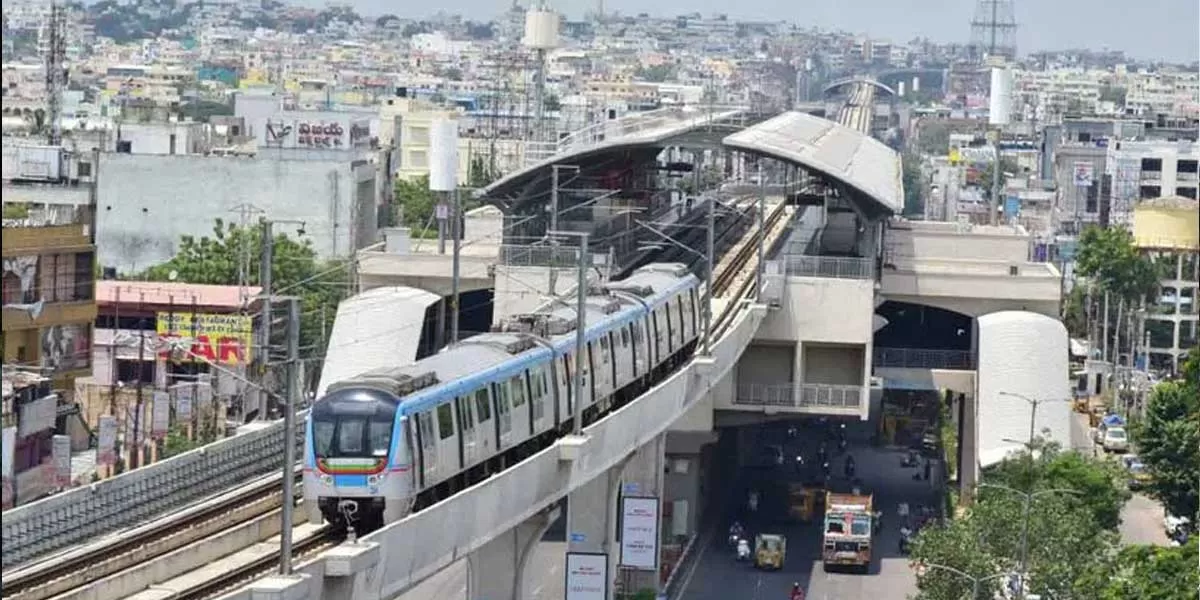
Although infrastructure has always been a significant factor in determining the value of real estate, Metro Rail Phase 2 is changing how people live, work, and invest in Chennai in 2026. A growing number of investors and homeowners are focusing on once-peripheral places as new corridors increase metropolitan access. With actual statistics you can rely on, this book illustrates how Metro Phase 2 is changing the demand for real estate, whether you’re searching for apartments in Pallavaram, Chennai, or the next high-growth micro-market.
Metro Rail Phase 2: What It Is and Why It Matters
The Metro Phase 2 project in Chennai aims to connect important economic, industrial, residential, and educational centres throughout the city. Reducing commuting times, clearing traffic, and enhancing general quality of life are the obvious objectives. Property values are impacted when a public transit project of this magnitude proceeds.
Infrastructure projects, such as metro expansions, have the potential to increase local home prices by 10% to 30% within 1-3 years of announcement and implementation, according to real estate analysts. Because of this, 2026 will be crucial for both investors and buyers.
Properties within 1 km of upcoming metro stations in Chennai are already experiencing around 20 – 30 % price appreciation as the city prepares for Phase 2 to become operational.
How Phase 2 Is Increasing Connectivity
Phase 2 consists of several key sections that link new neighbourhoods to the city centre:
- Zones of Corridor A → West Chennai
- Corridor B: Connectivity to the East and Central
- Corridor C → South and growth of the IT belt
Important job centres are now less than 30 to 40 minutes away from suburbs like Pallavaram, Chromepet, and Tambaram are a significant change from earlier times.
Relocation decisions are being influenced by the prospect of a quick, reliable commute for a large number of homeowners. This translates into long-term capital growth for investors.
The Metro Premium Zone: Pallavaram and South Chennai
Pallavaram and its environs are among the most talked-about places in 2026.
Why?
- Residential pockets will have metro stations within five to ten minutes.
- Closeness to industrial zones and IT/tech campuses
- Established social infrastructure, such as hospitals, schools, and store
According to real estate portals, apartments in Pallavaram close to metro nodes now fetch a price premium of 12–18% over comparable units farther away, and the premium is rising.
Builders Respond: Value-Driven Projects & Increased Launches
Even reputable builders in Chennai are adjusting as demand changes. A lot of developers have begun giving priority to:
Land parcels close to the metro area; compact and reasonably priced floor layouts; quick turnaround times; and strong legal compliance (RERA, CC, OC)
For instance, MP Developers has increased the number of mid-rise and high-rise condominiums in its pipeline that are ideally situated close to upcoming metro stations. Convenience and long-term value are combined in these reasonably priced, contemporary commuter-friendly residences.
Metro’s Impact on Rental Demand
Metro link increases demand for rentals as well as real estate purchases.
Particularly among young professionals, tenants favour locations with:
- Reduced travel times
- Reliable modes of transportation
- Simple access to job centres
Data says, from rental aggregators, the monthly rent for metro-accessible residences is 8–14% higher than that of comparable non-metro properties, which is a significant factor for investors.
Practical Tips for Homebuyers in 2026
1. Confirm metro alignment plans
Official metro maps and government releases show confirmed Phase 2 stations — use them when choosing a location.
2. Prioritize RERA-registered projects
Projects near metro nodes with full legal compliance reduce risk and increase buyer protection.
3. Compare travel time over distance
A short auto ride to the metro station can be more valuable than a property physically closer to the line but farther from access points.
4. Evaluate local infrastructure
Look at road quality, feeder services, future urban development, and social amenities.
5. Focus on long-term value
Real estate near mass transit appreciates steadily, especially when infrastructure execution meets timelines.
To conclude 2026 marks a critical inflection point for Chennai real estate. The expansion of Metro Rail Phase 2 isn’t just about the mode of commuting, it’s about lifestyle transformation, shorter commutes, stronger investment fundamentals, and better urban connectivity.
Whether you’re buying your first home, searching for apartments in Pallavaram, or planning a long-term investment with trusted builders in Chennai, metro connectivity should be a priority. It’s a trend backed by data, market behavior, and the choices of thousands of buyers.


