


 1
1
 0
0
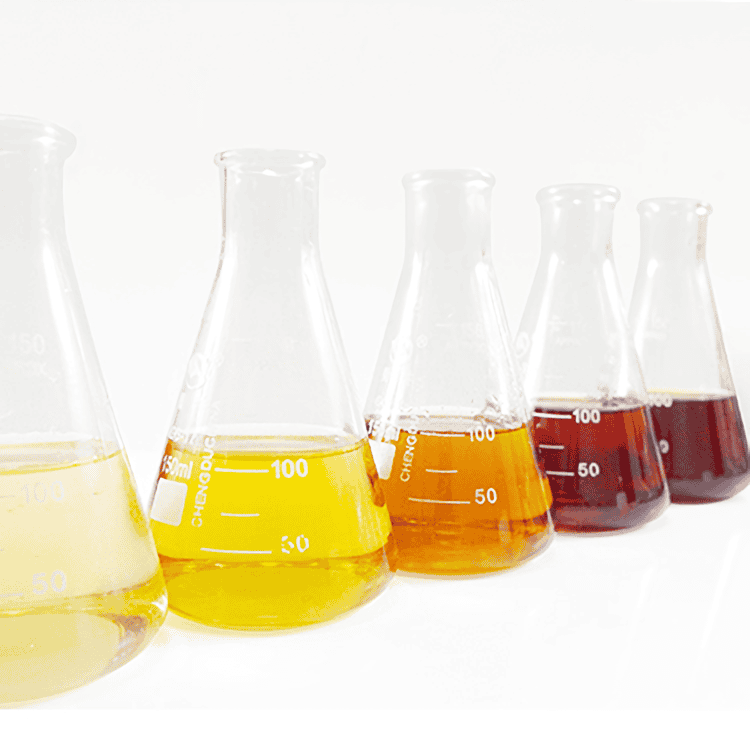
Food additives play an important role in maintaining the appearance, quality, and consistency of many products we consume every day. Among these additives, E150c is one of the most commonly used food colorings. It gives foods and beverages a rich brown color while helping manufacturers create products with a uniform appearance. Although many consumers notice ingredient labels listing this additive, they may not fully understand what it is or why it is used.
This article explores how E150c is produced, where it is commonly found, its advantages, and the safety standards that regulate its use around the world.
What Is E150c?
E150c is a type of caramel coloring known as ammonia caramel. It is created by carefully heating carbohydrates, such as glucose syrup or sugar, in the presence of ammonia compounds. This controlled process results in a dark brown coloring that is stable under different food processing conditions.
Unlike ordinary caramel used in desserts, this coloring is specifically manufactured for industrial food production. It provides consistent color without significantly changing the flavor of the finished product.
Common Foods That Contain Caramel Coloring
Caramel coloring is widely used across the food and beverage industry because it creates an appealing appearance. Products that may contain this coloring include:
- Soft drinks
- Dark-colored sauces
- Gravies
- Marinades
- Baked goods
- Breakfast cereals
- Vinegar products
- Processed desserts
- Certain confectionery items
Manufacturers choose this coloring because it performs well in products exposed to heat, light, and varying storage conditions.
Why Food Manufacturers Use It
Color strongly influences consumer perception. People often associate darker shades with richer flavors and higher quality. Caramel coloring helps manufacturers meet these visual expectations while maintaining product consistency.
Some of its key advantages include:
- Excellent color stability
- Uniform appearance across production batches
- Good compatibility with many food ingredients
- Long shelf-life performance
- Cost-effective manufacturing solution
These characteristics make caramel coloring one of the most widely used food colorants worldwide.
How It Is Produced
The manufacturing process begins with food-grade carbohydrates that are heated under carefully controlled conditions. During production, ammonia compounds are introduced to create the specific characteristics required for this type of caramel coloring.
After production, the coloring undergoes purification and quality testing before being approved for commercial food manufacturing. Strict quality control helps ensure consistency, purity, and compliance with food safety regulations.
Modern production facilities also monitor pH, color intensity, and microbiological quality before the ingredient reaches food manufacturers.
Safety and International Regulations
Food additives are carefully evaluated before being approved for use. Regulatory agencies establish limits and specifications to ensure they can be safely consumed within recommended levels.
Organizations responsible for food safety conduct ongoing scientific assessments based on toxicological research and dietary exposure studies. Manufacturers must also comply with national regulations regarding labeling, ingredient quality, and permitted usage levels.
Consumers who wish to know whether a product contains caramel coloring can simply review the ingredient list printed on the packaging.
Consumer Awareness and Ingredient Labels
Today’s shoppers are increasingly interested in understanding food ingredients. Reading nutrition labels allows consumers to make informed choices based on their dietary preferences.
Some people avoid artificial colors altogether, while others simply prefer to know why an ingredient has been included. Learning about food additives encourages greater transparency between manufacturers and consumers.
Educational resources from food safety authorities can also help explain how approved additives are evaluated before reaching the marketplace.
The Future of Food Coloring
The food industry continues to evolve as consumer preferences shift toward cleaner labels and sustainable production methods. Manufacturers are investing in improved processing technologies that reduce environmental impact while maintaining product quality.
At the same time, regulatory agencies continue reviewing scientific evidence to ensure approved food additives remain safe for consumers. Research and innovation are expected to improve manufacturing efficiency while preserving the performance that food producers require.
Conclusion
Caramel coloring remains an important ingredient in modern food manufacturing because it delivers reliable color, stability, and consistency across a wide variety of products. Understanding how it is produced and why it is used helps consumers make informed decisions when reading ingredient labels.
As food science advances, manufacturers will continue balancing product quality, safety, and consumer expectations. By staying informed about commonly used ingredients, shoppers can better understand the foods they purchase and appreciate the rigorous standards applied throughout the food production process.


