


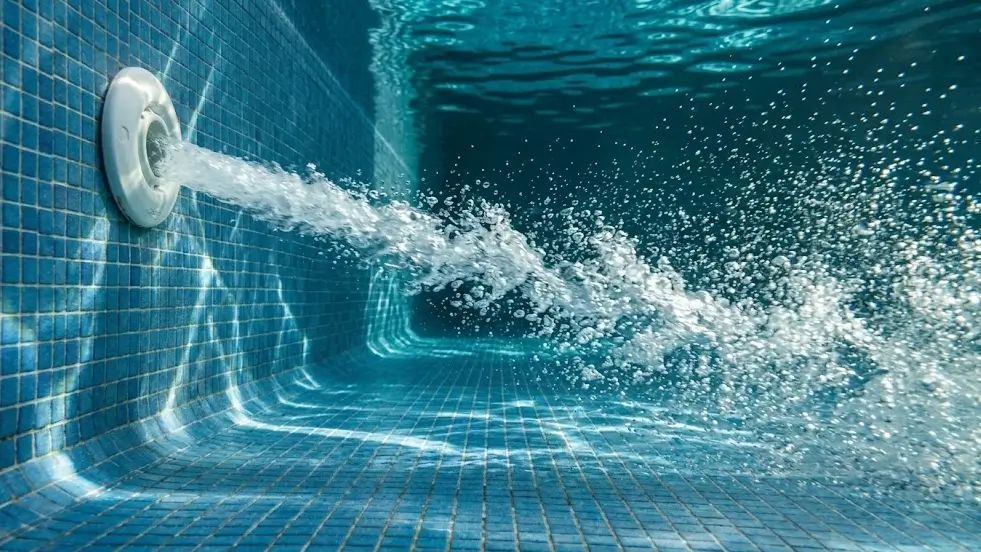
Picture this: a warm evening, your compact backyard pool shimmering under soft lights, ready to wash away the day’s stress. Now picture the frustration when you step in and notice cloudy water, weak circulation, or that unsettling feeling that something mechanical is about to give out. For small pool owners, this scenario is far too common. The culprit often hides in plain sight—your swimming pool jets. In compact pools, jets aren’t just accessories; they’re the circulatory system responsible for distributing chemicals evenly, preventing algae buildup, and keeping every cubic foot of water fresh and inviting. Yet many owners struggle with inconsistent water flow, jets that crack or fail within a season, and nagging concerns about suction safety in pools where children and pets play close to fittings. The truth is, a small pool demands more precision from its jet system, not less. Selecting and maintaining high-performance, reliable jets equipped with modern safety features like automatic shut-off and triple-layer protection is what separates a perpetually frustrating maintenance headache from a flawless personal oasis. This guide will show you exactly how to make that transformation.
Why Small Pools Have Unique Jet Requirements
Water circulation in a small pool operates under fundamentally different physics than in a large one. In a full-sized residential or commercial pool, water has room to move in broad, sweeping currents. Turbulence dissipates across thousands of gallons, and minor inefficiencies in jet placement rarely produce noticeable consequences. A small pool offers no such forgiveness. Every gallon must be actively moved, filtered, and returned within a tighter turnover cycle—typically requiring complete water circulation every four to six hours rather than the eight-hour standard for larger volumes. This compressed timeline means jets must deliver precise, directional flow without creating chaotic turbulence that merely churns the surface while leaving deeper water stagnant.

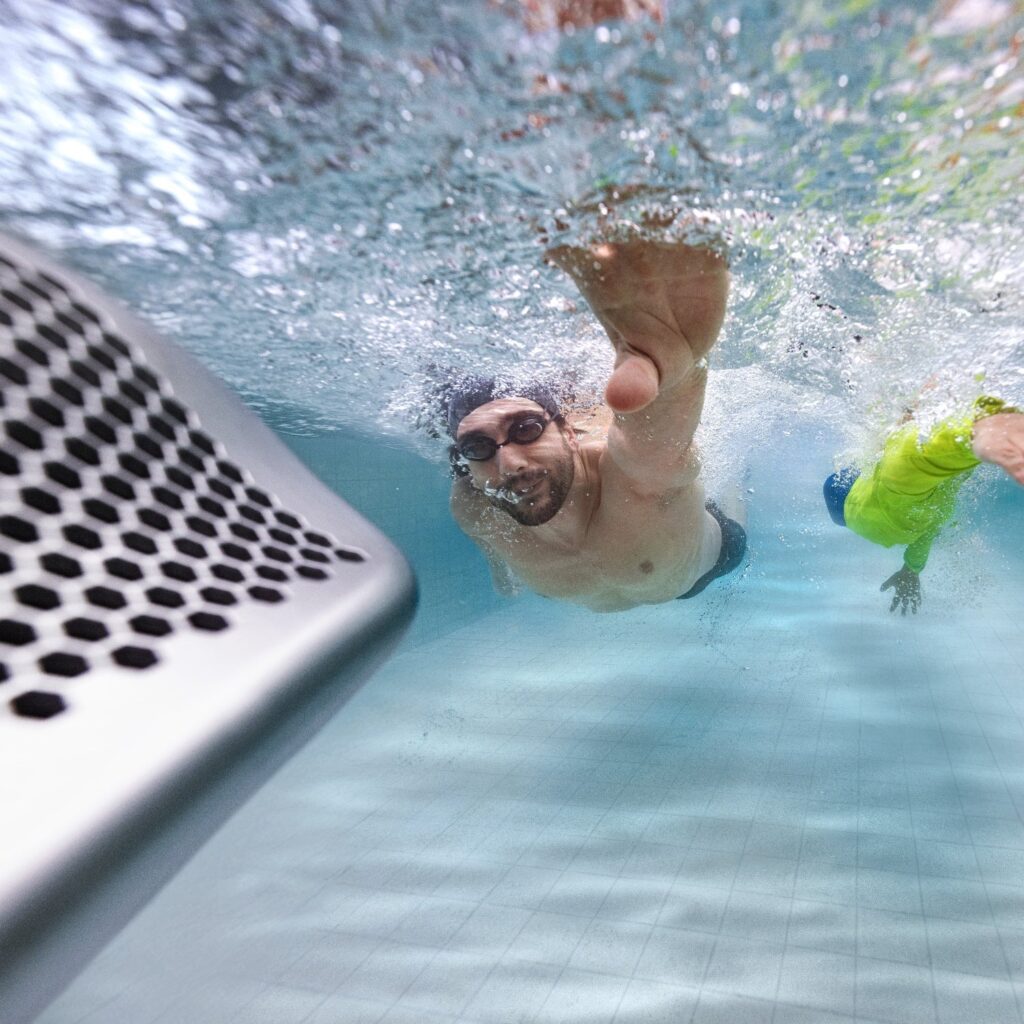
When jets are oversized for a compact pool, the result is excessive velocity that creates uncomfortable pressure zones, erodes plaster or vinyl surfaces prematurely, and forces the pump to work harder than necessary—shortening its lifespan and increasing energy costs. Undersized jets present the opposite problem: dead spots form in corners and along walls where water barely moves, allowing algae to colonize and chemicals to distribute unevenly. You might test one end of the pool and find perfect chlorine levels while the opposite corner harbors bacteria-friendly conditions. This inconsistency is maddening for owners who follow every maintenance protocol yet still battle murky water.
The fundamental issue is that most jet systems available at general retailers are engineered for average-sized pools. They assume a certain volume-to-jet ratio that simply doesn’t apply when your pool holds a fraction of that water. Small pools need jets calibrated for lower flow rates but higher precision—equipment designed to push water along calculated paths that eliminate dead zones without overwhelming the space. Recognizing this distinction is the first step toward solving persistent circulation problems that no amount of chemical adjustment can fix on its own.
The Heart of Performance: Selecting Reliable Swimming Pool Jets
Reliability in a swimming pool jet isn’t simply about whether it works on day one—it’s about whether it delivers the same consistent, precise output on day one thousand. For small pool owners, a single jet failure doesn’t just reduce performance marginally; it can compromise the entire circulation pattern, turning a balanced system into one riddled with dead zones overnight. Understanding what separates a truly reliable jet from a mediocre one requires looking beyond marketing claims and examining the engineering underneath.
A reliable jet begins with its materials. High-grade ABS plastic forms the gold standard for jet housings in residential pools because it resists both chemical corrosion and UV degradation—two forces that relentlessly attack submerged and sun-exposed components. Cheaper polypropylene alternatives may look identical on the shelf, but they become brittle after prolonged chlorine exposure, developing hairline cracks that leak water behind your pool shell where damage goes unnoticed until it becomes catastrophic. Internal components matter equally. Stainless steel ball bearings and retaining rings inside adjustable jet eyeballs maintain smooth directional control year after year, whereas plastic-on-plastic internal mechanisms wear down, seize, or snap when you try to redirect flow after a season of neglect. The gaskets and O-rings sealing each jet assembly should be made from EPDM rubber or similar elastomers rated for continuous chemical immersion, not generic rubber that swells, shrinks, and eventually fails to hold a seal.
Beyond materials, performance reliability means consistent output under varying conditions. A well-engineered jet maintains its rated flow even as your filter accumulates debris between cleanings, because its internal geometry is designed to function across a range of input pressures without dramatic performance drops. Cheap jets operate within a razor-thin pressure window—slightly below optimal pump pressure and they barely trickle; slightly above and they create noisy, turbulent streams that aerate water excessively and waste energy. In a small pool, where the pump-to-jet distance is short and pressure fluctuations are common during filter cycles, this tolerance range is critical. You need jets that perform reliably whether your filter was cleaned yesterday or is approaching its maintenance interval.
The concept of “performance reliability” deserves special emphasis for small pool owners because redundancy doesn’t exist in compact systems the way it does in larger ones. A twenty-thousand-gallon pool with twelve jets can tolerate two or three underperforming units without the owner noticing immediate water quality decline. A small pool with four to six jets cannot absorb even one failure without consequences. Each jet carries a disproportionate share of the circulation workload, making individual reliability a system-wide concern rather than a localized one.
Before purchasing replacement or upgrade jets, evaluate candidates against these criteria: First, verify the housing material is UV-stabilized ABS or equivalent, not unmarked generic plastic. Second, inspect internal components—are adjustment mechanisms metal-reinforced, or entirely plastic? Third, check the gasket material and whether replacement gaskets are readily available, since even the best seals eventually need refreshing. Fourth, confirm the jet’s rated flow range matches your pump’s output at the actual operating pressure your system produces, not just its maximum capacity. Fifth, look for jets with anti-backup valve integration, which prevents water from draining back through the jet when the pump cycles off—a feature that protects against air locks and priming failures in small systems where every inch of water column matters. Sixth, research the manufacturer’s warranty terms; companies confident in their product’s longevity typically offer multi-year coverage that cheap alternatives never match.
Ensuring Long-Term Performance and Troubleshooting Common Issues
Even the most robust jets require periodic attention to maintain peak output. Proactive maintenance starts with a monthly visual inspection—remove each jet eyeball and check for calcium scale buildup, debris lodged in the throat, or discoloration indicating chemical attack on the housing. Soaking removable components in a mild acid solution dissolves mineral deposits before they restrict flow. Inspect O-rings for flattening or cracking, and apply silicone lubricant during reassembly to maintain their seal and extend their service life.
Common failure points follow predictable patterns. Clogging typically originates from debris bypassing a worn filter element, so a sudden drop in jet pressure across all fittings simultaneously usually points upstream to the filtration system rather than the jets themselves. A single weak jet, however, suggests a localized blockage or a cracked fitting allowing water to escape before reaching the nozzle. Connection leaks at the wall fitting manifest as air bubbles streaming from the jet face—a sign that the threaded connection or bonding ring has lost integrity and water is being drawn in from behind the shell.
When jet performance drops, follow a simple diagnostic sequence: first check and clean your filter, then verify pump pressure is within normal range, and finally inspect the jet face and internal passage for obstruction or damage. This top-down approach prevents unnecessary disassembly and identifies the most common culprits first. Consistent quarterly inspections catch developing problems before they cascade into expensive repairs, reinforcing that reliability isn’t just built into the product—it’s maintained through owner diligence.
Essential Safety Features for Small Pool Setups: Automatic Shut-Off and Triple-Layer Protection
Small pools present a safety paradox that many owners overlook. Their compact size makes them more accessible—to children wandering into the backyard, to pets investigating the water’s edge, and to guests unfamiliar with the equipment. Yet that same compactness means jet fittings, drains, and suction points sit closer together and closer to swimmers, reducing the margin for error when something goes wrong mechanically. In larger pools, a malfunctioning jet or unexpected suction event may go unnoticed because swimmers are spread across a wide area. In a small pool, everyone is within arm’s reach of every fitting. This reality elevates safety features from optional upgrades to essential requirements.
The automatic shut-off feature represents one of the most significant safety advances in modern jet system design. Here’s how it works: a pressure-sensitive valve integrated into the jet assembly or plumbing line continuously monitors the suction and discharge pressure within the system. When an anomaly occurs—such as a sudden spike in suction pressure caused by a blockage, a body or object pressing against a fitting, or a catastrophic drop in water level exposing the pump intake—the valve triggers an immediate cessation of flow. This happens within seconds, far faster than any manual intervention could achieve. The implications are twofold. First, it prevents suction entrapment scenarios where a swimmer, particularly a child, could become pinned against a fitting by powerful vacuum force. Federal safety standards like the Virginia Graeme Baker Act mandate anti-entrapment measures for public pools, but residential small pools often fall outside these regulations despite facing identical risks. Second, automatic shut-off protects the pump itself from running dry or operating against a closed system, conditions that cause overheating, seal failure, and premature motor burnout. For small pool owners running single-speed pumps without variable frequency drives, this protection prevents the kind of catastrophic equipment failure that turns a minor blockage into a thousand-dollar repair.
Triple-layer protection addresses safety from a structural integrity standpoint, ensuring the jet fitting itself never becomes the point of failure that introduces hazards. The first layer is the durable outer shell—a thick-walled housing engineered to withstand impact, ground movement, and the freeze-thaw cycles that crack lesser fittings. When a jet housing fractures behind the pool wall, it creates hidden leaks that undermine the surrounding soil structure and can eventually compromise the pool shell itself. The second layer consists of a chemical-resistant middle barrier that prevents the aggressive pool water chemistry from degrading the fitting’s structural core over years of continuous exposure. Chlorine, bromine, salt-generated chlorine, and pH-adjusting acids all attack vulnerable materials relentlessly; this middle layer absorbs that chemical assault so the structural shell remains intact. The third layer is the smooth inner water channel, precision-engineered to eliminate turbulence, rough edges, and crevices where biofilm could accumulate. This interior surface ensures laminar flow delivery while preventing the kind of internal erosion that weakens fittings from within, eventually leading to blowouts under pressure.
Together, these three layers create a fitting that won’t crack unexpectedly, won’t degrade invisibly from chemical exposure, and won’t develop the internal weaknesses that cause sudden catastrophic failure during operation. For small pool owners, where each fitting bears proportionally greater system pressure and sits within close proximity to swimmers, this structural redundancy translates directly into peace of mind. You’re not relying on a single material barrier between pressurized water and your pool’s structural integrity—you have three independent safeguards working in concert.
Implementation Guide: Upgrading Your Small Pool’s Jet System
Transforming your small pool’s circulation from underperforming to exceptional requires a methodical approach rather than impulse purchases. Start with a thorough audit of your existing setup. Count every jet currently installed, note their positions relative to the pool’s geometry, and assess each one’s condition—are eyeballs still adjustable, are housings discolored or cracked, do any produce noticeably weaker flow than others? Document the make and model if visible, and measure the fitting diameter since small pools typically use either 1-inch or 1.5-inch threaded connections. This baseline tells you exactly what you’re working with and where the system is failing.
Next, calculate what your pool actually needs. Divide your total water volume by your target turnover time—for most small pools, aim for complete circulation every four to five hours. This gives you the required gallons-per-minute flow rate, which you then divide among your planned number of jets to determine each unit’s ideal output. For a pool under ten thousand gallons, four to six strategically placed jets typically outperform eight poorly positioned ones. Position them to create a gentle rotational current that sweeps debris toward the main drain or skimmer, eliminating dead corners without generating surface chop.
When selecting replacement jets, prioritize the qualities discussed throughout this guide: UV-stabilized ABS construction, metal-reinforced internals, EPDM gaskets, automatic shut-off compatibility, and triple-layer protection engineering. Cross-reference each candidate’s rated flow range against your calculated per-jet requirement, ensuring your pump’s actual operating pressure falls comfortably within that range rather than at its extremes. Many homeowners who manage their outdoor spaces through smart home platforms like iGarden find that integrating pool pump scheduling with broader automation systems helps maintain consistent pressure delivery to jets, further extending their operational lifespan.
Installation demands precision. If you’re comfortable with basic plumbing and your pool uses threaded wall fittings with accessible backs, replacement is straightforward—apply fresh thread sealant, hand-tighten, then secure with a quarter-turn using a jet wrench. However, if your upgrade involves adding new jet positions, cutting into plumbing lines, or working with gunite and fiberglass shells, hire a licensed pool technician. Improper bonding or sealing behind the wall creates leaks that are exponentially more expensive to repair than the installation itself. After installation, run the system for twenty-four hours and verify each jet’s output visually and by feel. Adjust eyeball directions to achieve uniform circulation, then retest water chemistry at multiple points in the pool after forty-eight hours to confirm dead zones have been eliminated. This final validation confirms your upgrade delivers the performance transformation your small pool deserves.
Transform Your Small Pool Into a Carefree Personal Oasis
A small pool’s potential lives or dies by the quality of its jet system. Throughout this guide, one principle has remained constant: compact pools demand more from their circulation equipment, not less. Every jet carries a disproportionate share of the workload, making individual component quality a whole-system concern. The path to crystal-clear water and effortless maintenance runs directly through purpose-built, reliable swimming pool jets engineered with materials that resist degradation, internals that maintain precision over thousands of operating hours, and flow characteristics matched to your pool’s specific volume and geometry.
Equally important are the safety features that protect both swimmers and equipment. Automatic shut-off technology stands guard against entrapment hazards and catastrophic pump damage, responding in seconds when conditions turn dangerous. Triple-layer protection ensures the fittings themselves never become the weak link—structurally sound, chemically resistant, and hydrodynamically optimized from the outside in. Together, these two pillars transform a small pool from a source of constant worry into a genuinely carefree retreat. Stop viewing your jet system as an interchangeable commodity buried behind the pool wall. It is the single most impactful investment you can make in your compact pool’s performance, safety, and longevity—the upgrade that finally lets you enjoy the oasis you envisioned the day you built it.


