


 0
0
 0
0
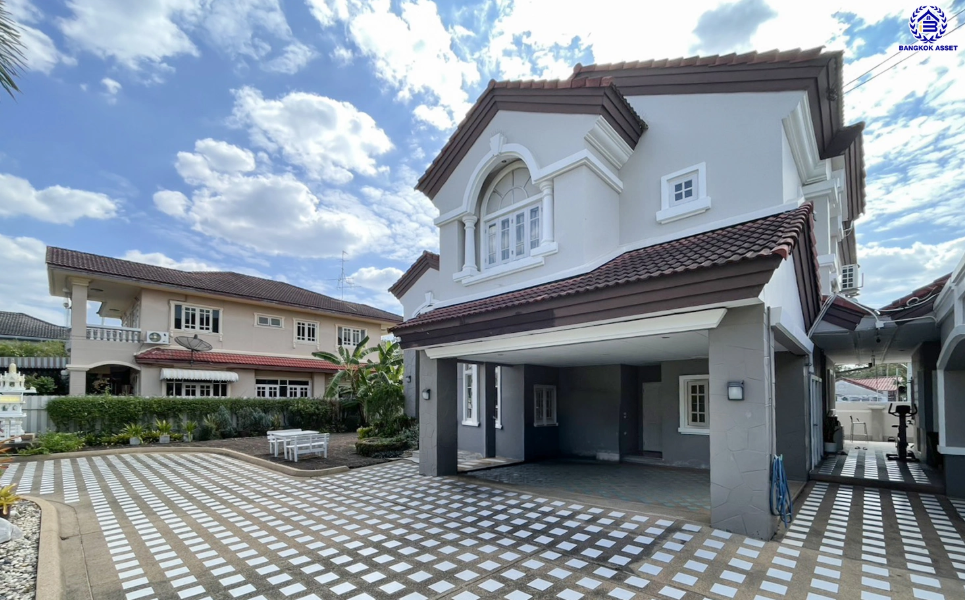
A household changes faster than most floor plans do. No single specification settles the issue. The answer emerges from the way space, time, responsibility, and repeated habits meet.
A useful comparison begins with one practical concern: whether rooms, access routes, and privacy zones can serve different roles over time. Features deserve attention only when their effect on daily life is clear.
Identify likely household transitions
The household’s underlying priority remains clear: whether rooms, access routes, and privacy zones can serve different roles over time. Translate the description into an observable condition, test it during a visit, and record what would change for daily use, maintenance, or future flexibility. A second visit at a contrasting hour can reveal whether the first impression was typical or unusually favorable. Where the consequence is significant, return with the relevant household member rather than relying on a secondhand description.
Flexible rooms and privacy zones
Measure usable wall lengths and clear routes instead of relying on room labels, since proportions can matter more than nominal floor area. That evidence speaks directly to the larger issue: whether rooms, access routes, and privacy zones can serve different roles over time. Compare the inconvenience over a full week; repetition can turn a minor irritation into an important ownership issue. Fixed constraints deserve more attention than finishes because structure, access, and location are harder to alter later.
Stairs, access and future mobility
Uncertainty does not automatically disqualify a home, but it should be identified before it is allowed to disappear inside enthusiasm. Test privacy at transition points, especially where bedrooms meet living areas, bathrooms serve guests, or stairs deliver sound between floors. The trade-off becomes clearer when stated beside the main concern: whether rooms, access routes, and privacy zones can serve different roles over time. Give the feature a clear role in the decision instead of letting it influence the shortlist through an undefined impression.
Compare adaptability by property format
Compare floor area with vertical movement, parking, shared systems, alteration limits, and the person or organization responsible when maintenance is delayed. The strongest observation links a physical feature to a specific consequence for privacy, time, upkeep, or flexibility. Where the consequence is significant, return with the relevant household member rather than relying on a secondhand description. A durable judgment returns to a single question: whether rooms, access routes, and privacy zones can serve different roles over time.
Once these priorities are clear, Nonthaburi resale homes for changing family needs provides real property descriptions against which the same questions can be tested consistently.
Prioritize reversible improvements
The comparison stays grounded in a concrete concern: whether rooms, access routes, and privacy zones can serve different roles over time. Define the practical consequence first, then decide what evidence would confirm it and what observation would count against it. An attractive benefit becomes easier to judge once its recurring cost in effort or coordination is stated plainly. Compare the inconvenience over a full week; repetition can turn a minor irritation into an important ownership issue.
Broad words such as convenient, spacious, quiet, or manageable become useful only when attached to an observation. A route may be convenient because it has a reliable alternative; a room may feel spacious because circulation remains clear after furniture is placed. Specificity prevents one memorable impression from dominating the practical issue: whether rooms, access routes, and privacy zones can serve different roles over time.
Choose Adaptability, Not Empty Extra Space
The clearest judgment is expressed in the language of daily life: what becomes easier, what requires effort, and what remains uncertain. Adaptability is not endless extra space; it is the ability to make useful changes without rebuilding the home around every new stage.


