


 0
0
 0
0
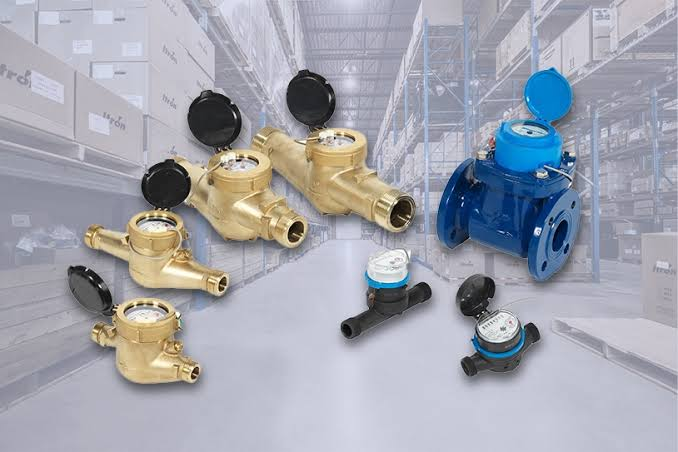
A water meter is an essential device used to measure the volume of water consumed by residential, commercial, and industrial users. It plays a crucial role in water management systems by ensuring accurate billing, detecting leaks, and promoting responsible water usage. As global water demand continues to rise, water meters have become increasingly important for conserving resources and improving efficiency in distribution networks.
This article explores what a water meter is, how it works, its types, applications, benefits, and its growing importance in sustainable water management.
What Is a Water Meter?
A water meter is a measuring instrument installed on water supply lines to record the amount of water flowing through a pipe. The measurement is typically expressed in cubic meters (m³) or liters.
Water meters are commonly installed at:
- Residential homes
- Apartment buildings
- Commercial properties
- Industrial facilities
- Agricultural irrigation systems
The primary purpose of a water meter is to ensure users are billed accurately based on actual consumption rather than estimated usage.
How Does a Water Meter Work?
Water meters work by measuring the flow of water passing through a pipe. Different technologies are used depending on the type of meter, but the general principle remains the same: tracking movement and converting it into measurable units.
When water flows through the meter:
- It passes through a mechanical or electronic sensor.
- The sensor detects flow rate or volume.
- The data is converted into readable units.
- The usage is displayed on a dial or digital screen.
Modern smart water meters can even transmit data remotely to utility companies, eliminating the need for manual readings.
Types of Water Meters
There are several types of water meters designed for different applications and accuracy levels.
1. Mechanical Water Meters
Mechanical meters are the most traditional type. They use moving parts such as turbines or pistons to measure water flow.
Advantages:
- Cost-effective
- Simple design
- Easy to install
Disadvantages:
- Wear and tear over time
- Less accurate in low flow conditions
2. Digital Water Meters
Digital or electronic water meters use sensors to measure water flow and display readings on a digital screen.
Advantages:
- High accuracy
- Easy reading display
- Longer lifespan than mechanical meters
Disadvantages:
- Higher initial cost
- Requires power source (battery or electricity)
3. Ultrasonic Water Meters
Ultrasonic meters use sound waves to measure the velocity of water flow. They are highly accurate and have no moving parts.
Advantages:
- Extremely accurate
- No mechanical wear
- Ideal for smart water systems
Disadvantages:
- Expensive
- Requires advanced installation
4. Electromagnetic Water Meters
These meters use electromagnetic fields to measure water flow. They are commonly used in industrial applications.
Advantages:
- High precision
- Suitable for large pipelines
- No moving parts
Disadvantages:
- Works only with conductive liquids
- High cost
5. Smart Water Meters
Smart water meters are advanced devices that connect to digital networks and send real-time usage data.
Advantages:
- Remote monitoring
- Leak detection alerts
- Real-time data tracking
- Improved billing accuracy
Disadvantages:
- Higher installation cost
- Requires network infrastructure
Applications of Water Meters
Water meters are used in a wide range of sectors, including:
Residential Use
In homes, water meters ensure fair billing based on actual consumption and encourage households to conserve water.
Commercial Use
Hotels, shopping malls, and office buildings use water meters to monitor usage and control operational costs.
Industrial Use
Factories rely on water meters to manage large-scale water consumption in production processes.
Agricultural Use
Farmers use water meters to regulate irrigation systems and optimize water usage for crops.
Municipal Water Supply
Cities use water meters to track distribution, detect leaks, and manage water resources efficiently.
Importance of Water Meters
Water meters play a vital role in modern water management systems. Their importance includes:
1. Accurate Billing
Water meters ensure customers are billed fairly based on actual usage rather than estimates, reducing disputes between consumers and suppliers.
2. Water Conservation
By tracking usage, water meters encourage individuals and businesses to reduce unnecessary water consumption.
3. Leak Detection
Unusual readings can indicate leaks in pipelines or plumbing systems, allowing for quick repairs and reduced water waste.
4. Resource Management
Utility companies use meter data to analyze consumption patterns and plan water distribution more effectively.
5. Environmental Protection
Efficient water usage helps reduce pressure on natural water sources, supporting sustainability efforts.
Smart Water Metering and Technology Advancements
The introduction of smart water meters has revolutionized the industry. These devices use IoT (Internet of Things) technology to provide real-time monitoring and data analytics.
Key features of smart meters include:
- Remote reading and monitoring
- Automated billing systems
- Leak and anomaly detection
- Integration with mobile apps
- Data analytics for usage patterns
Smart water metering helps cities become more efficient and supports sustainable urban development.
Challenges in Water Metering
Despite their benefits, water meters also face some challenges:
- High installation costs for advanced systems
- Maintenance requirements for mechanical meters
- Data privacy concerns in smart systems
- Infrastructure limitations in rural areas
- Calibration and accuracy issues over time
Addressing these challenges requires investment in technology and regular system upgrades.
Maintenance of Water Meters
Proper maintenance ensures accurate readings and long-term performance.
Best practices include:
- Regular inspection for leaks or damage
- Periodic calibration
- Cleaning filters and sensors
- Protecting meters from extreme weather
- Replacing outdated models when necessary
Utility providers often schedule maintenance checks to ensure system reliability.
Future of Water Meters
The future of water meters is closely linked to digital transformation and sustainability goals. Smart cities are increasingly adopting advanced metering infrastructure (AMI) to improve water distribution efficiency.
Future trends include:
- AI-powered water usage analysis
- Integration with smart home systems
- Fully automated billing systems
- Predictive maintenance using data analytics
- Wider adoption of IoT-based meters
These advancements will make water management more efficient, transparent, and environmentally friendly.
Conclusion
A water meter is a fundamental component of modern water supply systems. It ensures accurate measurement, promotes conservation, supports efficient billing, and helps detect leaks early. With advancements in digital and smart technologies, water meters are becoming more intelligent and reliable, playing a key role in sustainable resource management.
As water scarcity becomes a growing global concern, the importance of accurate monitoring and efficient usage continues to rise. Investing in modern water metering systems is not only beneficial for utility providers but also essential for consumers and the environment.


