


 0
0
 0
0
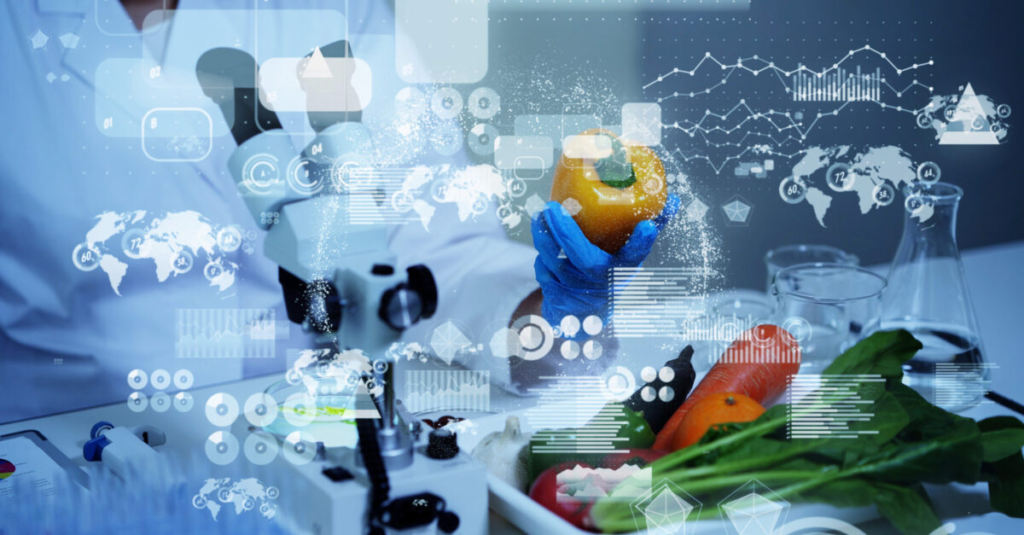
The food industry is changing rapidly. Customers expect faster service, more convenient ordering options, and greater transparency throughout the buying process. At the same time, businesses face growing challenges such as rising operating costs, labor shortages, and increasing pressure to reduce food waste. To address these challenges, many organizations are investing in digital transformation. From restaurants and food delivery providers to food distributors and nonprofit organizations, technology is helping businesses improve efficiency, make better decisions, and deliver better customer experiences.
1. What does digital transformation mean for food businesses
Digital transformation is more than simply adopting new software. It involves using technology to improve how a business operates, serves customers, and manages resources.
In the food industry, digital transformation often includes mobile applications, online ordering systems, inventory management platforms, delivery tracking tools, and data analytics solutions. These technologies help businesses replace manual processes with more efficient digital workflows.
The goal is not only to reduce costs but also to create a more responsive and reliable operation.
2. Digital ordering is becoming the new standard
One of the most visible changes in the food industry is the rapid adoption of digital ordering. Customers increasingly prefer ordering through mobile apps, websites, or self-service kiosks instead of waiting in line. They also expect features such as real-time order updates, digital payments, and personalized recommendations.
For food businesses, digital ordering systems do more than improve convenience. They help streamline operations, reduce order errors, and provide valuable insights into customer preferences. With access to real-time data, businesses can better understand purchasing behavior, identify popular menu items, and create targeted promotions.
This trend is particularly noticeable in entertainment and sports venues, where long queues can negatively affect the customer experience. In the United States, a mobile food ordering platform was developed to allow event attendees to browse menus, place orders directly from their seats, and choose between express pickup or in-seat delivery. The platform also enabled customers to track orders in real time and communicate with concession stands when needed.
The result was a smoother ordering experience for customers and a stronger sales performance for vendors. By making food and beverages more accessible throughout an event, the platform contributed to average order values that were up to 25% higher than traditional walk-up orders. This example shows how digital transformation can improve both customer satisfaction and business outcomes.

3. Improving supply chain and delivery operations
Managing food logistics can be complex, especially for organizations that handle large volumes of products across multiple locations.
Digital tools allow businesses to monitor deliveries, optimize routes, and track inventory in real time. This visibility helps reduce delays, improve resource allocation, and ensure products reach their destinations more efficiently.
Technology can also improve communication between different stakeholders involved in the supply chain. Instead of relying on phone calls, spreadsheets, or paper records, businesses can manage operations through centralized platforms that provide up-to-date information for everyone involved.
4. Using technology to reduce food waste
Food waste remains a major challenge worldwide. Many organizations are exploring digital solutions to better manage surplus food and ensure that edible products are used effectively rather than discarded.
Technology can support this effort in several ways. Businesses can use forecasting tools to predict demand more accurately, monitor inventory levels, and identify products that need to be distributed quickly. Digital platforms can also help connect organizations with available food resources to communities that need them.
A good example comes from Hong Kong, where a food donation marketplace was developed to connect food donors, beneficiaries, and delivery providers through a single platform. The solution streamlined food collection and distribution operations, helping save hundreds of tonnes of food annually and support more than 1.6 million meals for people in need. Developed by PowerGate Software, the platform highlights how technology can improve operational efficiency while generating a positive social impact.
5. The growing role of data analytics
Modern software platforms can collect information from multiple sources, including customer orders, inventory systems, delivery operations, and marketing campaigns. This data helps managers make more informed decisions.
For example, restaurants can use analytics to forecast demand during peak hours, optimize staffing levels, and identify opportunities to improve menu performance. Delivery providers can monitor operational metrics and identify bottlenecks that affect service quality. Rather than relying on assumptions, businesses can make decisions based on measurable insights.
Choosing the right technology partner
Successful digital transformation requires more than selecting the right tools. Businesses also need technology partners that understand the unique requirements of the food industry.
Food businesses often require a combination of mobile applications, web platforms, logistics systems, third-party integrations, and scalable cloud infrastructure. Experience in these areas can significantly reduce implementation risks and improve project outcomes.
For example, software development companies such as PowerGate Software have worked on food-related projects ranging from food donation logistics platforms to mobile food ordering applications. This type of industry experience can help organizations identify practical solutions that align with both operational goals and user needs.
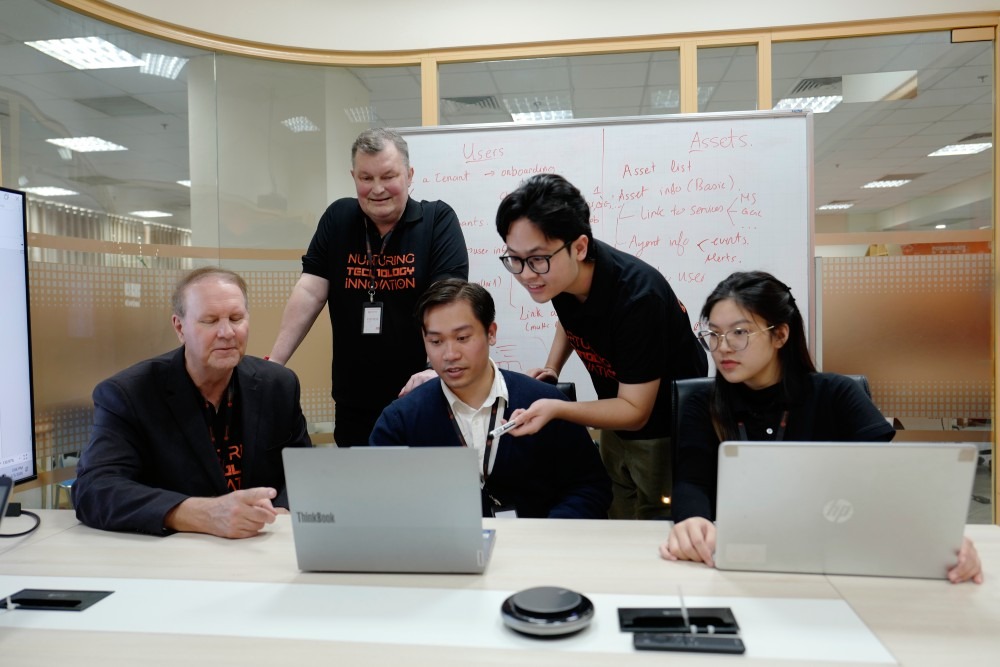
PowerGate Software is a global AI-powered software product studio from Vietnam
Digital transformation is becoming a key driver of growth in the food industry. Whether it is improving customer experiences, optimizing delivery operations, reducing food waste, or making better use of data, technology is helping businesses operate more efficiently and respond to changing market demands. As competition continues to increase, organizations that invest in the right digital solutions and work with experienced technology partners will be better positioned for long-term success.


